


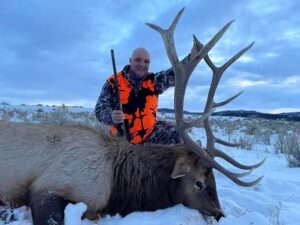
Success in the elk woods is never just about luck. Hunters who understand how elk think, move, and react usually end up with more opportunities, and that is especially true here in Montana. Elk are big, smart, and constantly adjusting to the world around them, so learning what drives their behavior can make your hunt a lot more rewarding. Whether you prefer rifle season or archery season, having a good handle on elk behavior sets you up for better encounters and smarter decisions in the field.
Seasonal Movement Patterns
Elk travel patterns shift in response to changes in weather, availability of food, and variations in elevation. Early fall usually finds them higher up, feeding in open meadows or along mountain slopes before bedding in thick timber. As temperatures drop and snow starts building, they gradually move into lower country where food is easier to reach.
These changes can be tricky to track if you are new to Montana country. That is why local knowledge is such a huge advantage during a guided elk hunt. Guides spend months watching herd movement and understanding how elk respond to weather and pressure in different areas. Knowing where the elk are heading, and why, is half the battle.
The Rut and Vocal Behavior
The rut brings some of the most exciting elk action of the year. Bulls call out to challenge rivals or gather cows, and the entire herd becomes more active and vocal. Bugles, chuckles, and soft cow calls all mean something different. Recognizing these sounds can help you judge a bull’s mood and decide whether it is worth calling back or making a move.
During archery season, this knowledge can be the difference between a close encounter and watching a bull drift out of range. A worked-up herd bull might respond aggressively, while a satellite bull usually hangs back. Guides read these situations quickly and help you position yourself in the best possible spot.
Daily Feeding and Bedding Habits
Elk follow a pretty steady routine throughout the day. They usually feed at first light and again in the evening. During the heat of the day, they bed down in pockets of shade, often in spots that offer both cover and a good escape route. Understanding this rhythm helps you select effective setups, especially in the morning when elk transition from feeding areas to bedding zones.
Montana’s terrain has everything from open parks to broken timber and rugged hills. Guides know how elk use these features and how to approach quietly with the wind in your favor.
How Pressure Affects Elk Behavior
Elk are naturally cautious. If they sense pressure, they do not hesitate to relocate. Something as simple as a shifting wind or an unexpected noise can send a herd into steep, tough country where they are much harder to reach. This is where experience matters. Guides understand which escape routes elk prefer and how to move in without alerting the entire herd.
Plan a Montana Elk Hunt With Confidence
Understanding elk behavior is one of the best ways to improve your chances in the field. When you pair that understanding with the knowledge of seasoned local guides, you give yourself the opportunity for a truly memorable Montana elk hunt.
At Elk Ridge Outfitters, we spend our year tracking herds, scouting new areas, monitoring movement patterns, and preparing for every elk season. Our guided Montana elk hunting trips include comfortable lodging, hearty home-cooked meals, expert guides, and access to prime hunting country that consistently produces quality opportunities.
If you are ready to experience a hunt built around real local knowledge and a passion for the outdoors, we would love to host you. Explore our guided hunt packages and book your upcoming Montana elk hunt online today.

Leave a Reply